How to Plan a Car Purchase with a Credit Card
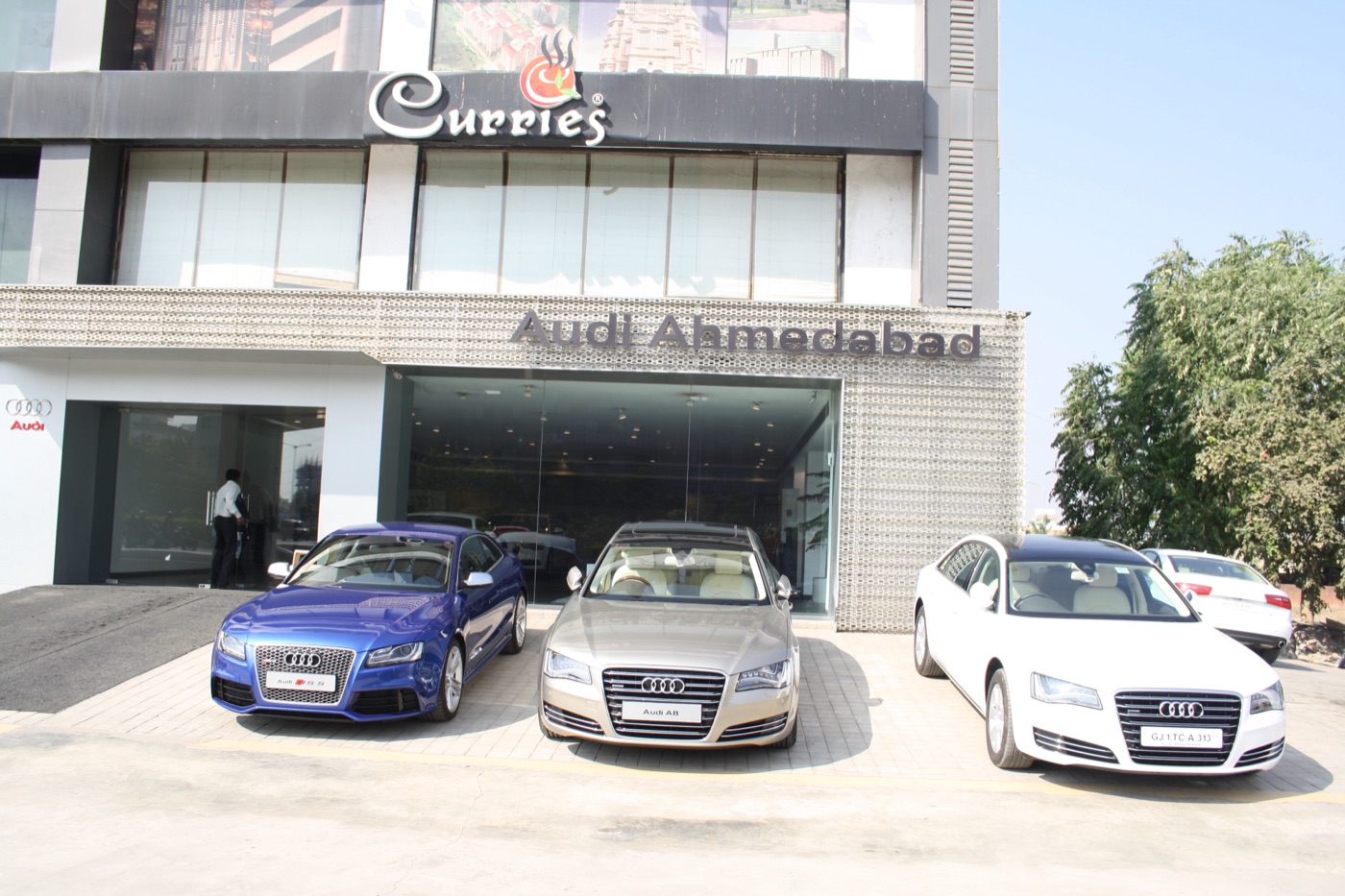

Buying a car on a credit card in India is a planning problem, not a points flex. A typical family car sits in the ₹8–21 lakh band; dealers pay MDR on card transactions, so they often add a 1–2% swipe fee, or refuse cards for the full invoice. The purchase only makes sense when your net rewards beat that fee, you can pay the bill in full from funds you already have, and the merchant category code (MCC) actually earns on your card.
The decision framework
- Pick the car you actually want. Never compromise on the model just because one showroom is “card friendly.”
- Negotiate the on-road price and every discount with multiple dealers before you mention a credit card.
- Only after the deal is locked, say you want to pay by credit card. Dealerships typically open with an extra 1.5%–2% swipe fee ask.
- Negotiate that fee hard. Aim for ≤1%; 0–0.9% shows up when the dealer wants the sale. Some buyers still get 0% on the booking amount even when the balance carries a fee.
- Lock your primary and backup cards before delivery day. If a new card application gets delayed or declined, you need a backup card with proven reward math already active in your wallet.
- Run a ₹200–₹500 test swipe. After a few days, confirm with the issuer whether that MCC earns and whether any fuel surcharge appeared.
- Compute net value: card earn % − dealer swipe fee % = net baseline return. Then adjust for how you will actually redeem (airline/hotel partner transfer vs direct cashback).
- If your credit limit is below the total on-road price, plan a multi-day swipe schedule with the dealer. Same-merchant velocity locks can block repeated large hits on the same day.
Worked math: a ₹21L car purchase breakdown
Let’s look at the numbers on a ₹21 lakh on-road car purchase where the dealership charges a 2% swipe fee, using a premium travel credit card earning ~4.8% baseline reward value.
| Step | Calculation | Why it matters |
|---|---|---|
| OTR after discounts | ₹21.0 lakh | Your invoice size before fee |
| Dealer swipe fee | 2% (₹42,000) | Subtract this from total earn before calculating net gain |
| Card baseline earn | ~4.8% (~₹1,00,800) | Direct or partner-aware earn rate on that MCC |
| Net before transfer boost | 4.8% − 2% = 2.8% | Positive return even after covering the swipe fee |
| With partner transfer boost | ~3.96%–5% (~₹83k+ net value) | Achieved when transferring points to high-value hotel or airline partners |
| Points generated | ~91,200+ points | A substantial points balance created from a planned single spend |
One test decides it: if the swipe fee is greater than or equal to your card earn rate, walk away. Ask 2% against a 1% cashback card and you lose money on every swipe. A 1%–2% fee against 4%–5% in high-value points or miles is worth paying.
Real-life examples from X (Twitter)
Two purchase threads on X (Twitter) walk through the on-road price negotiation, the swipe fees, the card limits, and the net point yields:
Before delivery day
- Always have a backup card with known reward rates ready in your wallet in case your primary card has limit or processing restrictions.
- Do not dilute a fixed swipe fee across weaker cards just to finish the invoice. If a card’s earn rate does not comfortably beat the fee, pay that portion by RTGS/NEFT instead.
- Prepaying your credit card frees up available credit limit, but it does not reset POS terminal velocity blocks (which can refuse repeat swipes from the same merchant machine for ~24 hours).
- Negotiate dealer MDR below the standard 2% ask. Push for 0.8%–1%, and aim for 0% fee on the booking advance.
- Validate MCC coding and reward eligibility with a small test transaction and bank confirmation before you run large sums.
- If splitting across multiple cards or statement cycles to maximize milestones, agree on a clear payment timeline with the showroom in advance.
MCC and surcharge traps
- Ask the dealer for a ₹200–₹500 test charge. After 3–4 days, call the issuer: Will this category earn? What MCC posted? Any fuel surcharge?
- Most auto showrooms sit on automobile-dealer MCC ranges and earn normally. A mis-coded fuel TID is the known failure mode, and it can add a surcharge instead of rewards.
- If the test swipe looks wrong, do not put ₹10L+ on that machine. Switch dealer or payment rail.
Limits, merchant locks, and multi-day payments
This is the step first-time big-ticket swipers most often skip.
- Know your usable limit days before delivery. A ₹5L limit on a ₹21L car means at least four full swipes plus a top-up, not one single transaction.
- Same-merchant lock: after a large swipe, that dealer’s POS machine can refuse the same card for ~24 hours while other merchants still accept it. Do not plan multiple ₹5L hits in one afternoon on one terminal.
- Prepay myth: loading the card from bank accounts before the visit restores available credit limit, but it does not bypass the merchant terminal velocity lock.
- Ask the dealer in writing that they will take staggered card payments across consecutive days (or split across cards) without altering the negotiated price.
- Finish milestone or fee-waiver spend targets first when splitting across cards; then spill to the highest base-earn card that still clears the fee.
- Carry the physical cards with international/domestic POS limits turned up in the issuer app.
Tax and paperwork hygiene
- Keep the dealer invoice, payment receipts, and card statements aligned, with no informal cash top-ups.
- High-value purchases can involve TCS / reporting rules depending on amount and current tax law; ask your CA if the invoice is large.
- Banks may call to verify unusual high-value POS spend. Answer it, or the swipe gets declined at the desk.
Day-of checklist
- Written confirmation of swipe fee % and maximum card amount (and whether booking was 0% fee).
- Plan A card + Plan B card in hand; both POS-enabled; app login working for OTP.
- If limit < OTR: agreed multi-day schedule with the dealer, plus a second card for the remainder.
- Funds ready to repay the statement (cash or liquidated investments), not EMI.
- Backup RTGS/NEFT path if the bank declines or the TID locks mid-payment.
- After each swipe: receipt + note of amount; after the last swipe: updated invoice and rewards pending screenshot if the app shows it.
When not to use a credit card
- Dealer fee ≥ expected rewards value (after your real redemption, not a peak transfer fantasy).
- You would revolve a balance or put the car on card EMI.
- MCC is excluded or codes as fuel.
- You have no fallback card and Plan A is still “pending approval.”
- The dealer will not allow multi-day swipes and your limit is far below OTR.
- The only accepting card is one you do not want a huge utilisation spike on before a mortgage or other application.