Visa Credit Card Tiers Explained


Visa credit cards are not one product. Visa publishes a ladder of consumer tiers; your bank (HDFC, SBI Card, Axis, ICICI, and others) then wraps its own rewards, fees, and lounges on top. Visa’s own consumer credit overview groups the network into three levels: Traditional, Signature, and Infinite, with richer Visa-side benefits as you go up.
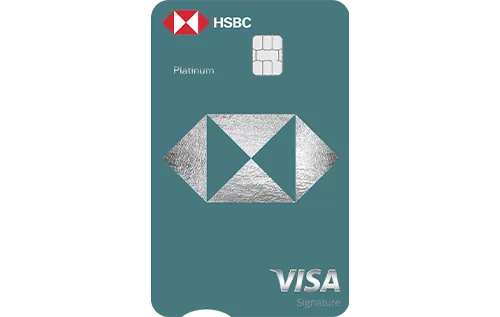
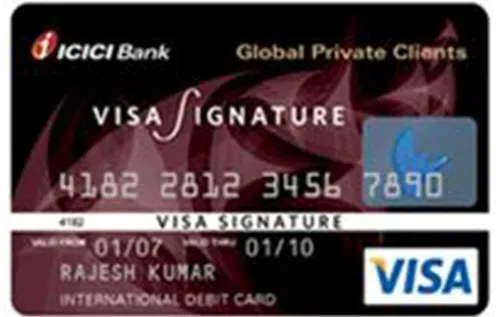
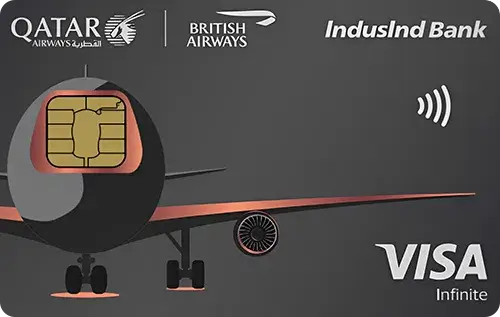
The three Visa consumer tiers
| Tier | What Visa positions it as | Typical Indian plastic wording |
|---|---|---|
| Visa Traditional | Essential features; everyday pay + core protections | Often printed as Visa / Classic / Gold / Platinum without “Signature” or “Infinite” |
| Visa Signature | Enhanced benefits vs Traditional; more travel/purchase protections (issuer-dependent) | Card face usually says “Visa Signature” |
| Visa Infinite | Highest consumer tier; broadest Visa-side travel and purchase protections | Card face usually says “Visa Infinite” |
In India you will also see Classic, Gold, and Platinum naming on many bank products. Those are still Visa network products; they generally sit in the everyday / mid-premium band and map closest to what Visa’s global site calls Traditional, while Signature and Infinite are clearly marked on the card art.
Visa Traditional: everyday baseline
Visa’s Traditional tier is the foundation: global acceptance, core security messaging, and emergency help rails such as lost/stolen reporting, emergency card replacement, and emergency cash disbursement, plus Zero Liability for unauthorised Visa-processed transactions (with the usual care and notify-your-issuer rules).
- Best mental model: reliable pay network + basic protections.
- Bank rewards (cashback %, lounges, milestones) come from the issuer, not from the word “Traditional.”
- If your card only says “Visa” with no Signature/Infinite mark, treat it as this band unless the bank docs say otherwise.
Visa Signature: step-up protections
Visa Signature keeps the Traditional emergency and Zero Liability stack and layers richer travel and purchase protections. On Visa’s Signature page, examples include travel emergency assistance, and a long list of benefits that may be issuer-optional (marked with an asterisk): auto rental CDW, baggage delay, cellphone protection when you pay the wireless bill with the card, extended warranty, purchase/return/price protection, trip delay / cancellation / interruption, lost luggage, and more.
Visa Infinite: top consumer network tier
Visa Infinite is Visa’s highest widely marketed consumer credit tier: the densest mix of purchase protections (purchase security, return protection, extended warranty) and travel coverages (trip delay/cancel/interrupt, lost luggage, travel accident insurance, travel emergency assistance, auto rental CDW, and similar). Some extras remain issuer-optional on Infinite as well.
- Infinite is a network tier. Unlimited lounges and 5% cashback are bank product features, not network ones.
- Premium Indian cards (invite-only metal products, high-fee travel cards) may be Infinite, Signature, or even a different network (Mastercard World/World Elite, Amex).
- Always match the plastic logo to the MITC before assuming US-dollar coverage limits apply in India.
How to identify your tier in 30 seconds
- Look at the Visa mark on the front/back: “Signature” or “Infinite” is usually printed next to the Visa logo.
- Open your issuer app or product page and search “Guide to Benefits”, “Visa benefits”, or the MITC PDF.
- Separate two lists: (A) Visa network benefits in that guide, and (B) bank rewards (points, cashback, lounges, SmartBuy, Edge Miles).
- For claims (lost bag, rental car, trip delay), follow the claim number and documentation rules in the issuer guide rather than a blog summary.
What this means for Indian cardholders
| Decision | Use the tier for | Do not use the tier for |
|---|---|---|
| Picking a card | Knowing Signature/Infinite may come with richer purchase and travel protections, if your bank includes them | Assuming Infinite automatically beats a cashback Visa Traditional on rewards maths |
| Travel abroad | Knowing emergency card replacement / assistance rails exist at the network layer | Skipping DCC discipline or ignoring your bank’s forex fee |
| Insurance claims | Reading the Guide to Benefits before you buy tickets/rent cars on that card | Assuming US dollar limits and eligibility from visa.com/en-us apply unchanged in India |
Quick FAQ
Is Visa Platinum the same as Visa Signature?
Not always. In India, “Platinum” is a common bank product name. Signature and Infinite are specific Visa brand marks. Read the logo and the issuer docs; do not equate the words.
Does a higher Visa tier mean better cashback?
No. Cashback and points are issuer programmes. A Traditional-network cashback card can out-earn a Signature travel card for grocery/online spend.
Where do I verify benefits?
Start with Visa’s tier pages for the conceptual ladder, then lock numbers to your bank: product page + MITC + Guide to Benefits. Visa itself tells cardholders that issuer benefits vary and to check the financial institution for specifics.